
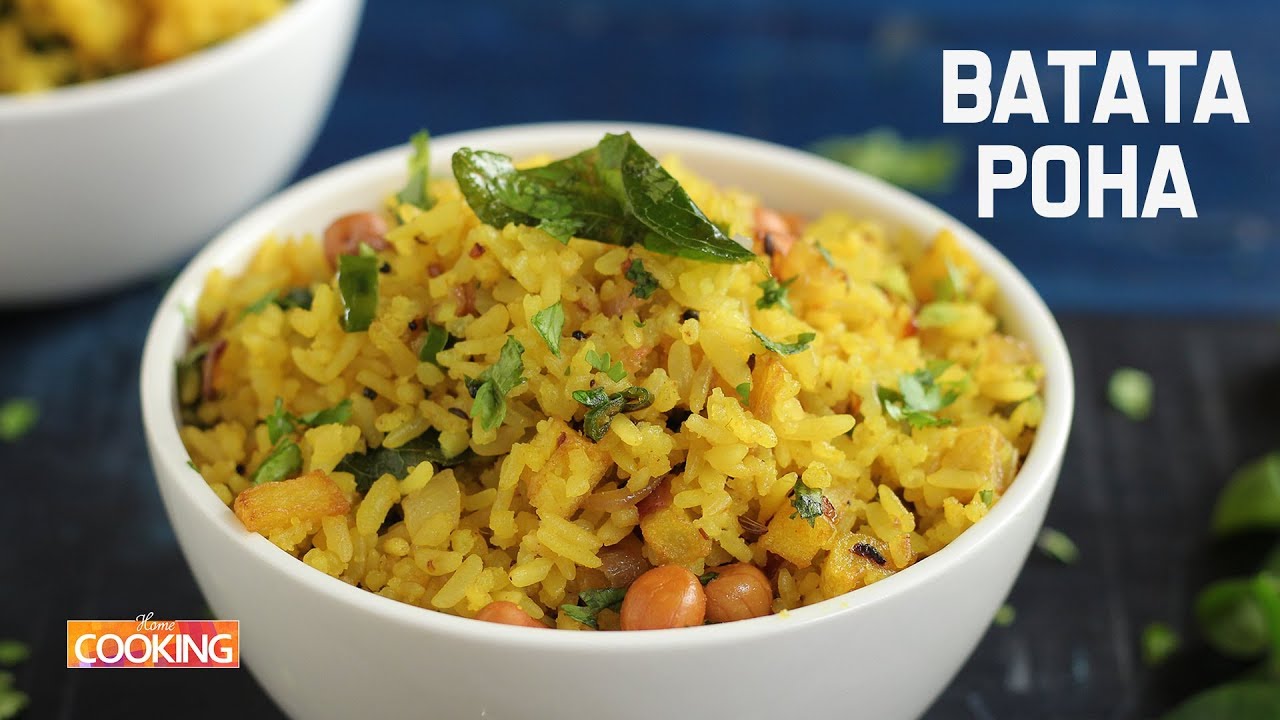
Batata Poha Recipe | Poha ( પોહા ) Recipe | Savory Flattened Rice
Quick Links
- What is Poha (Batata Poha)?
- Poha: The Heartbeat of Maharashtrian Mornings
- What to Serve with Poha? (The Traditional Way)
- Is Poha Healthy? A Light & Nutritious Breakfast.
- The Nutritional Benefits:
- Points to Note:
- Why is Poha So Universally Loved?
- Batata Poha Recipe: Key Ingredients
- How to Make Perfect Poha: Step-by-Step Guide
- Watch video and learn how to make Batata Poha Recipe
- Poha Pro Tips for Fluffy, Non-Mushy Results
- Delicious Variations of Poha
- Poha FAQs
- 1. Why is my poha sticky and mushy?
- 2. Can I make poha without peanuts?
- 3. Is it okay to eat poha for weight loss?
- 4. Can I make it for lunch boxes?
- 5. What’s the difference between Maharashtrian and Indori Poha?
Perfect Batata Poha Recipe: The Classic Indian Breakfast of Flattened Rice & Potatoes
Master the art of making soft, fluffy, and non-mushy Poha! This easy Maharashtrian-style Batata Poha recipe with potatoes, peanuts, and onions is the ultimate quick, healthy, and satisfying breakfast.
What is Poha (Batata Poha)?
Imagine waking up to the gentle sizzle of mustard seeds and the aroma of curry leaves wafting from the kitchen. That’s the sound of Poha being made! Batata Poha is a beloved, light, and fluffy Indian breakfast dish made from flattened rice (poha) tossed with tender potatoes, crunchy peanuts, onions, and a vibrant tempering of turmeric and mustard seeds. It’s slightly sweet, tangy from a squeeze of lemon, and incredibly comforting. Each bite is a perfect mix of soft poha, soft potatoes, and crunchy peanuts—a texture and flavor symphony that is both nourishing and delicious. It’s the ultimate quick-fix meal that feels like home.
Short Video Recipe
Watch recipe video about Batata Poha Recipe | Poha ( પોહા ) Recipe | Savory Flattened Rice: Restaurant Style POHA Recipe 💜 🤤 #poha #poharecipe #breakfast #nashta #eveningsnacks #snacksrecipe
Poha: The Heartbeat of Maharashtrian Mornings
While variations exist across India (like Indori Poha or Kanda Poha), Batata Poha is iconic to Maharashtra and is considered the state’s unofficial breakfast. You’ll find it in every household, at street-side stalls, and even served as a welcoming snack (naivedyam) in temples. Its simplicity, affordability, and quick cooking time made it a staple for farmers and workers. Eating a plate of hot poha with a cup of strong cutting chai is a morning ritual for millions. It represents the Maharashtrian ethos of simple, wholesome, and flavorful cooking that fuels the day without weighing you down.
What to Serve with Poha? (The Traditional Way)
- Masala Chai (Cutting Chai): The absolute, non-negotiable pairing. The strong, milky tea complements the poha perfectly.
- Fried Green Chilies or Papad: For a crispy, spicy side element.
- Lemon Wedges & Sev: Extra lemon to squeeze and a handful of fine sev (crunchy gram flour noodles) sprinkled on top.
- Plain Yogurt or Curd: A side of cool yogurt balances the meal.
- Jalebi or Shrikhand: In some regions, a sweet like jalebi is served after for a classic sweet-spicy combination.
Is Poha Healthy? A Light & Nutritious Breakfast.
Yes, Poha is considered one of the healthiest traditional Indian breakfasts.
The Nutritional Benefits:
- Poha (Flattened Rice): Easily digestible, rich in iron, and a good source of carbohydrates for instant energy. It’s low in calories and gluten-free.
- Potatoes: Provide potassium and Vitamin C, especially if boiled with skin.
- Peanuts: Add plant-based protein, healthy fats, and fiber, making the dish more filling.
- Turmeric & Curry Leaves: Have anti-inflammatory and antioxidant properties.
- Low in Fat: When made with minimal oil, it’s a very low-fat dish.
Points to Note:
- High Glycemic Index: Poha can raise blood sugar levels quickly. Pairing it with protein (like peanuts/curd) helps mitigate this.
- Sodium: Can be high if too much salt is added.
Healthier Tweaks: Use thick poha (it holds shape better). Add more vegetables like peas, carrots, and capsicum. Use roasted peanuts and control salt.
Why is Poha So Universally Loved?
It’s the epitome of quick, no-fuss comfort food. Ready in under 20 minutes, it’s a savior on busy mornings. The contrast of textures—soft poha and potatoes with crunchy peanuts—is deeply satisfying. It’s light yet filling, never leaving you feeling heavy or sluggish. It’s also incredibly versatile and forgiving; you can make it plain, with potatoes, or loaded with veggies. For many Indians, the taste is deeply tied to nostalgia, home, and happy childhood mornings.
Batata Poha Recipe: Key Ingredients
- The Star: Thick Poha (Flattened Rice) – use the thick variety for best results.
- Vegetables: Boiled potatoes (batata), finely chopped onions.
- Tempering (Tadka): Oil, mustard seeds, cumin seeds, curry leaves, asafoetida (hing), turmeric powder.
- For Crunch & Protein: Raw peanuts.
- Aromatics & Heat: Green chilies, ginger (optional).
- Seasoning: Sugar (a must for balance!), salt, lemon juice.
- Garnish: Fresh coriander leaves, grated coconut (optional), sev.
How to Make Perfect Poha: Step-by-Step Guide
- Rinse & Soak the Poha: Place the poha in a colander. Rinse under gently running water for just 10-15 seconds. Let it drain completely. Do not soak in water. The poha should become soft but remain separate, not mushy.
- Prepare the Tempering: Heat oil in a kadai. Add peanuts and roast on low heat until crunchy. Remove and set aside. In the same oil, add mustard seeds and cumin seeds.
- Add Aromatics: Once seeds crackle, add curry leaves, asafoetida, chopped green chilies, and ginger. Sauté for 30 seconds.
- Cook Onions & Potatoes: Add chopped onions and sauté until translucent. Add cubed boiled potatoes and turmeric powder. Mix well and cook for 2-3 minutes.
- Season & Combine: Add salt and sugar. Mix. Sugar is essential for the authentic sweet-savory balance.
- Add the Poha: Reduce heat to low. Add the rinsed, softened poha and roasted peanuts. Gently mix everything together with a light hand, using a folding motion. Be careful not to break the poha.
- Steam & Finish: Sprinkle a few teaspoons of water around the edges. Cover with a lid and let it steam on the lowest heat for 2-3 minutes. This ensures even heating and fluffiness.
- Garnish & Serve: Turn off the heat. Drizzle fresh lemon juice and garnish with chopped coriander and grated coconut. Serve hot, optionally topped with sev.
Watch video and learn how to make Batata Poha Recipe
Poha Pro Tips for Fluffy, Non-Mushy Results
- Choose Thick Poha: Always buy the thick variety (also called “mota poha”). Thin poha turns mushy instantly.
- Rinse, Don’t Soak: The cardinal rule. Rinsing briefly under running water is enough to soften it. Soaking in a bowl of water will make it a sticky paste.
- The Sugar Trick: Don’t skip the sugar (about 1 tsp). It balances the tanginess of lemon and enhances all other flavors without making it sweet.
- Steam at the End: The short steaming step with a lid ensures every grain is heated through and becomes fluffy, not dry.
- Gently Does It: Use a folding motion with a spatula to mix. Never stir aggressively, or you’ll crush the delicate poha.
Delicious Variations of Poha
- Kanda Poha: The classic onion-only version without potatoes.
- Indori Poha: Famous for being spicy and topped with a medley of sev, pomegranate seeds, and grated coconut.
- Vegetable Poha: Load it with peas, carrots, beans, and corn.
- Poha Chivda: A dry, crispy snack made by deep-frying thin poha with nuts and spices.
- Poha Cutlet or Tikki: Mix prepared poha with mashed potatoes, shape into patties, and shallow fry.
Poha FAQs
1. Why is my poha sticky and mushy?
Two main reasons: 1) You used thin poha instead of thick. 2) You soaked it in water instead of just rinsing it briefly. Always use thick poha and rinse, don’t soak.
2. Can I make poha without peanuts?
Yes, you can skip them. For crunch, you can add roasted chana dal or cashew nuts, or simply enjoy it without.
3. Is it okay to eat poha for weight loss?
Yes, in moderation. It’s low in fat and calories. Make it with less oil, add lots of veggies, and pair it with protein like curd to make it more balanced and filling.
4. Can I make it for lunch boxes?
Absolutely. Let it cool completely before packing. It tastes great at room temperature and does not spoil easily. Avoid adding sev until just before eating.
5. What’s the difference between Maharashtrian and Indori Poha?
Maharashtrian Poha (Batata Poha) is simpler, with potatoes, peanuts, and a hint of sweetness. Indori Poha is spicier, uses a special masala (jeeravan masala), and is loaded with toppings like sev, pomegranate, and coconut.
poha recipe, batata poha, maharashtrian breakfast, how to make poha, flattened rice recipe, easy breakfast ideas, healthy indian breakfast, kanda poha, indori poha, poha with peanuts, quick breakfast, gluten free breakfast, poha tips non mushy, traditional poha, what to serve with poha

Poha { vagharela Pauva)
Ingredients
Equipment
Method
- Place the poha in a colander and rinse it under running water for about a minute until it
- softens. Do not over-soak. Let it drain completely.
- Add salt, sugar, and turmeric powder to the wet poha and mix gently. Let it rest while you
- prepare the tempering.
- Heat oil in a pan. Add the peanuts and fry until they are crunchy. Remove and keep aside.
- In the same oil, add mustard seeds. Once they crackle, add cumin seeds, asafoetida,
- curry leaves, and green chilies.
- Add the chopped onion and sauté until translucent.
- Add the diced potatoes, a pinch of salt, cover the pan, and cook on low heat until the
- potatoes are tender.
- Add the rested poha and the fried peanuts to the pan.
- Mix everything gently until the poha is well-combined with the spices and heated through.
- Turn off the heat and drizzle with lemon juice.
- Garnish with fresh coriander, sev, and grated coconut before serving.
Notes
● The key is to rinse the poha just enough to make it soft but not waterlogged.
● Adding sugar and lemon juice at the end gives it the characteristic sweet and tangy
flavour profile.


